

You've just finished your workout. You're out of breath, your muscles are pumped, and a healthy fatigue washes over you. You think the work is done? Think again. It's precisely the second you put down your dumbbells or sneakers that the most crucial phase of your progress begins: recovery.
Too many amateur athletes, whether they're bodybuilders, runners, or CrossFitters, neglect this step. They train hard, very hard, but waste their efforts by not giving their bodies the necessary building blocks to rebuild. Understanding the mechanisms of post-exercise nutrition means going from a stagnant athlete to one who makes lasting progress.
⏱️ The metabolic window: myth or reality?
During exercise, you subjected your body to intense stress. You depleted your glycogen stores (the muscle fuel) and, most importantly, you created micro-tears in your muscle fibers. This is a normal process; it's the signal your body receives to adapt and become stronger.
Catabolic emergency
Immediately after your workout, your body is in a state of "catabolic" mode: it breaks down its own tissues to find energy. Your number one goal is to reverse this process and switch to "anabolism" (building). This is where the concept of the metabolic window comes in.
For 30 to 60 minutes after stopping exercise, your body is like a dry sponge, ready to absorb nutrients with tenfold efficiency. While this window isn't as strict as it was thought 20 years ago, it remains the optimal time to restart your workout.
🧱 Proteins: The building blocks of your recovery
To repair damaged tissues, you need cement and building blocks. In nutrition, these building blocks are amino acids, derived from the digestion of proteins. Without a sufficient and rapid intake of quality protein after exercise, muscle repair is slowed, fatigue sets in, and the risk of injury increases.
Of course, a solid meal of chicken breast or eggs is excellent. But let's be honest: after an intense workout, your appetite isn't always there, and digesting a solid meal takes a long time. That's why modern sports nutrition often prioritizes rapid absorption.
It is in this context that solutions like Nutripure whey protein become so valuable. Native whey isolate (derived directly from fresh milk, not cheese byproducts) allows for a massive and rapid delivery of essential amino acids to thirsty muscles, without overloading the digestive system. It is the most effective and convenient recovery tool.
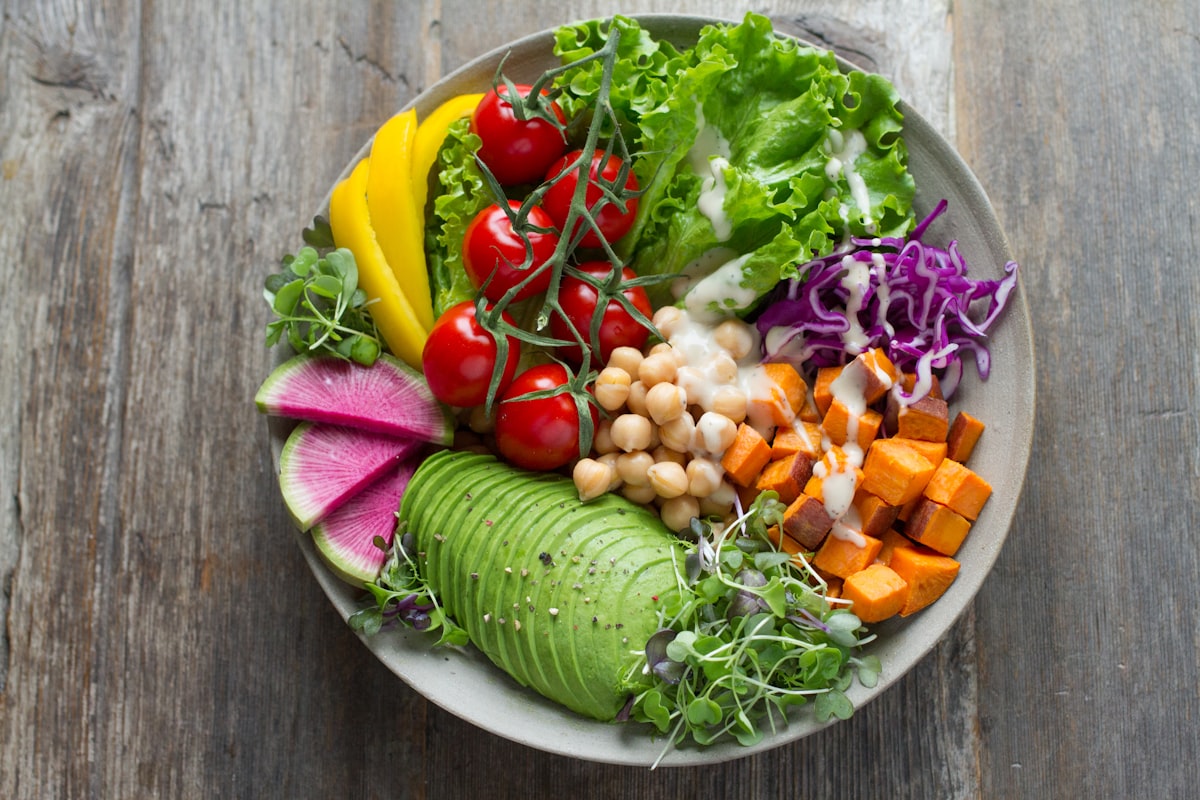
🌱 The requirement for quality: do not clog the machine
While providing nutrients is crucial, the nature of those nutrients is just as important. The sports nutrition market is saturated with products filled with artificial sweeteners, chemical flavorings, texturizers, and low-quality raw materials.
In a holistic approach to health and well-being, it's absurd to exercise to stay in shape and then immediately afterwards ingest a cocktail of additives. Your body deserves the best fuel.
That's why it's essential to choose brands that prioritize complete transparency. Choosing Nutripure , for example, means opting for raw ingredients, traceability, and no unnecessary additives. A protein sourced from pasture-raised cows, cold-filtered to preserve its structure, will have a far higher biological value than a denatured, industrially produced powder. Health is non-negotiable, even in your post-workout shake.
❓ Frequently Asked Questions about Recovery
Should I take carbohydrates with my protein?
Yes, absolutely! Carbohydrates (like a banana, oats, or honey) will cause an insulin spike. This hormone acts as a transporter, helping to move amino acids from proteins into muscle cells more quickly. It's a winning combination.
Is hydration really important for recovery?
It's the foundation of everything. A water loss of just 2% of your body weight can reduce your physical and mental capacity by 20%. Water transports nutrients and removes metabolic waste. Without immediate rehydration, no recovery is possible.
Is this useful for a beginner?
Absolutely. A beginner often suffers more muscle damage than an experienced athlete because their body isn't used to the exertion. Paying attention to post-workout nutrition from the start helps reduce soreness and accelerate motor learning.
Sports nutrition isn't magic; it's applied physiology. Training is the "easy" part—it's the spark. Nutrition and rest are the fuel that transforms that spark into a lasting fire.
Don't waste your hours spent sweating: nourish your body with respect and intelligence, and it will repay you a hundredfold at the next session.
Comments (0)
There are no comments for this article. Be the first one to leave a message!